
Cerium Oxide: A Versatile Material for Precision Polishing and Industrial Applications
Learn about cerium oxide (CeO₂), a high-performance polishing and catalyst material. This blog explores its properties, applications in glass, ceramics, and electronics, and tips for sourcing high-purity cerium oxide for industrial use.
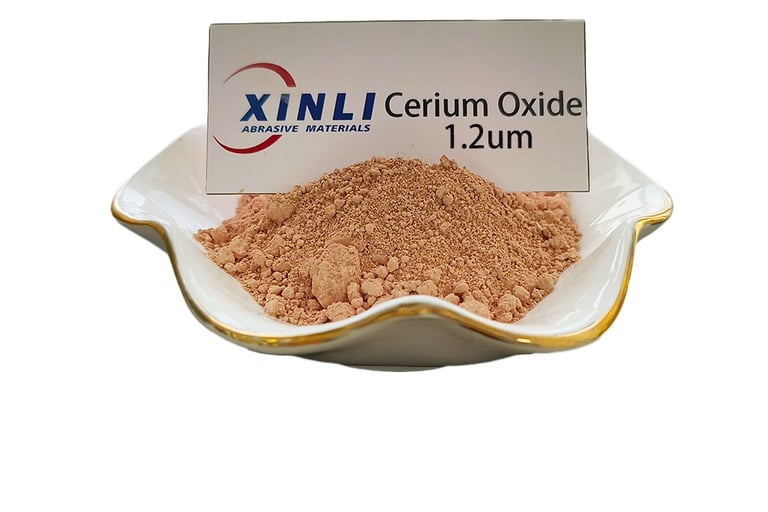
Cerium oxide (CeO₂), often referred to as cerium dioxide or simply ceria, is a high-performance polishing compound widely recognized for its outstanding physical and chemical properties. With its unique combination of hardness, chemical stability, and ability to interact with glass surfaces, cerium oxide has become an indispensable material across multiple industries.
What Makes Cerium Oxide Special?
Cerium oxide belongs to the family of rare earth oxides, with a Mohs hardness of around 6.5. Unlike conventional abrasives such as aluminum oxide or silicon carbide, cerium oxide is not just a mechanical abrasive. Its polishing action is also chemical, which means it can produce smoother surfaces and superior finishes, especially on glass, optics, and precision ceramics.
Key properties include:
High Polishing Efficiency – Combines mechanical and chemical polishing for faster results.
Superior Surface Quality – Delivers a scratch-free, mirror-like finish.
Thermal and Chemical Stability – Withstands high temperatures and chemical exposure.
Versatility – Suitable for a wide range of substrates, from glass to advanced ceramics.
Industrial Applications of Cerium Oxide
Glass Polishing
The most well-known use of cerium oxide is in precision glass polishing. From smartphone screens and LCD panels to optical lenses and automotive windshields, CeO₂ ensures a flawless, high-transparency finish.Optical Components
For telescopes, microscopes, and laser systems, even microscopic scratches can distort performance. Cerium oxide offers unmatched surface quality and dimensional accuracy, making it a standard material in the optical industry.Electronics and Semiconductors
In the semiconductor industry, cerium oxide powders are used for CMP (chemical mechanical polishing), which is crucial for producing ultra-flat wafers and advanced microchips.Ceramics and Catalysts
Beyond polishing, CeO₂ plays a role as a catalyst in automotive exhaust systems and as a raw material in advanced ceramics due to its oxygen storage capacity and redox behavior.
Choosing the Right Grade of Cerium Oxide
Not all cerium oxide powders are the same. The right product depends on the required application:
High-Purity Grades (≥99.9%) → Recommended for optical polishing and semiconductors.
Standard Grades (≥99%) → Ideal for general glass polishing, automotive glass, and mirror manufacturing.
Coarse vs. Fine Particle Sizes → Coarse powders are faster at stock removal, while fine powders deliver a flawless finish.
Why Work With a Reliable Supplier?
The performance of cerium oxide depends greatly on its purity, particle size distribution, and processing method. A reliable manufacturer ensures:
Stable quality across batches.
Consistent polishing efficiency.
On-time delivery for industrial production.
Conclusion
Cerium oxide is more than just a polishing powder – it is a critical material driving innovation in optics, electronics, and advanced manufacturing. Whether you are producing smartphone displays, optical instruments, or high-precision ceramics, choosing the right grade of CeO₂ can make a decisive difference in efficiency and quality.
If you are looking for stable, high-purity cerium oxide at competitive prices, feel free to contact us. Our products are manufactured under strict quality control to meet the demands of industries worldwide.

Get in touch
Contact us to learn more about cerium oxide and its wide applications. Our team is ready to answer your questions and provide tailored solutions for your needs.